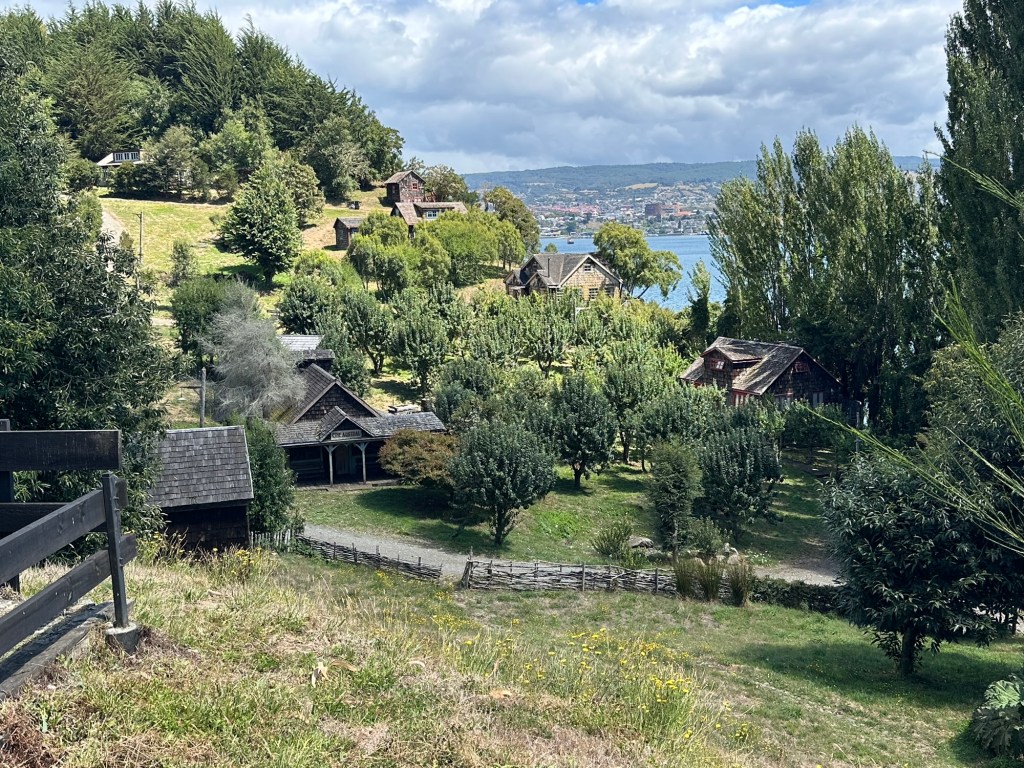
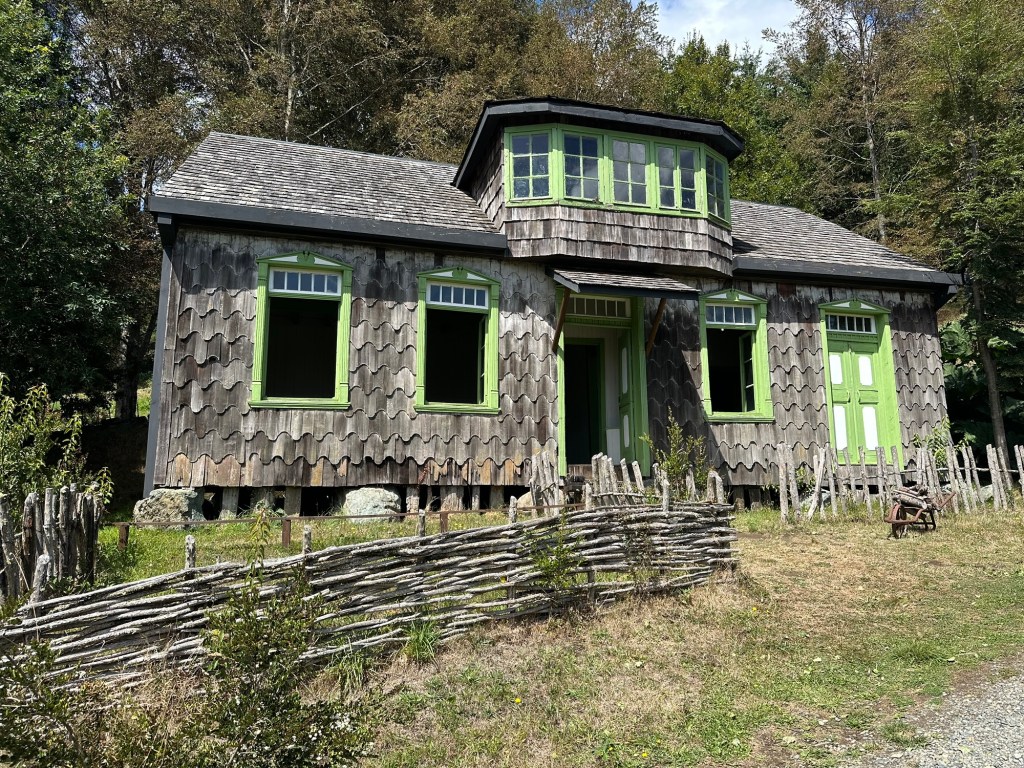
Chiloé, dedicated to restoring and showcasing the history and cultural identity of the Chiloé archipelago.
The site was originally created as a film set for the movie “…Y de pronto el amanecer” by renowned
director Silvio Caiozzi.”
https://www.google.com/search?q=weltun+chiloe&ie=UTF-8&oe=UTF-8&hl=en-us&client=safari#ebo=0
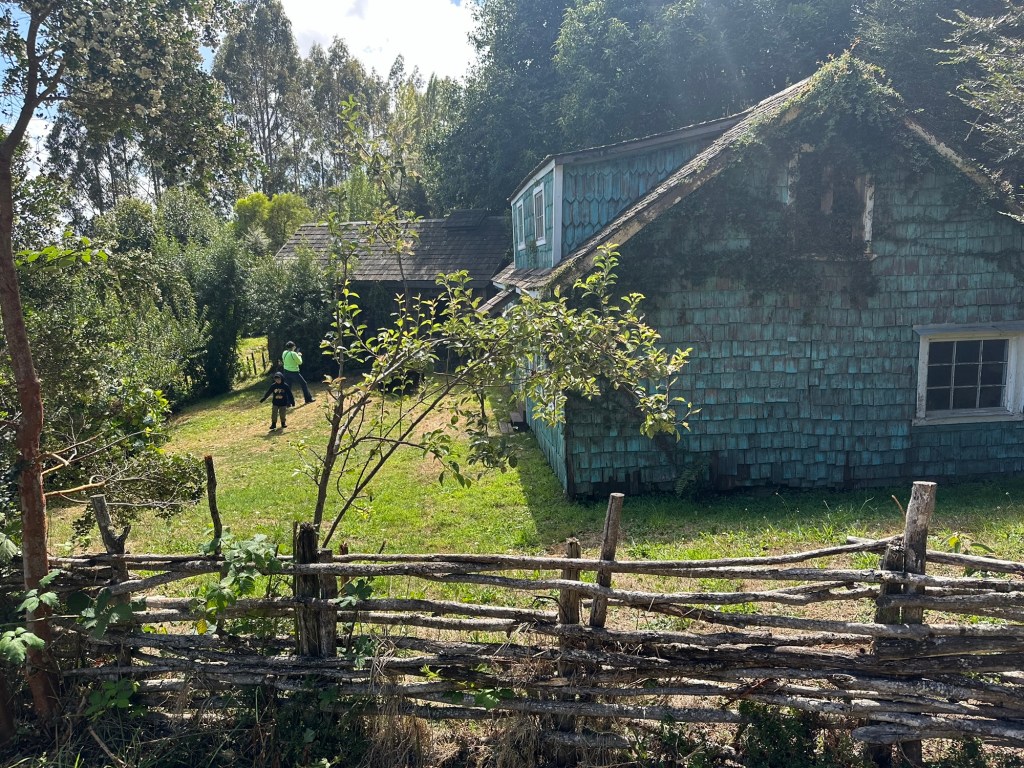
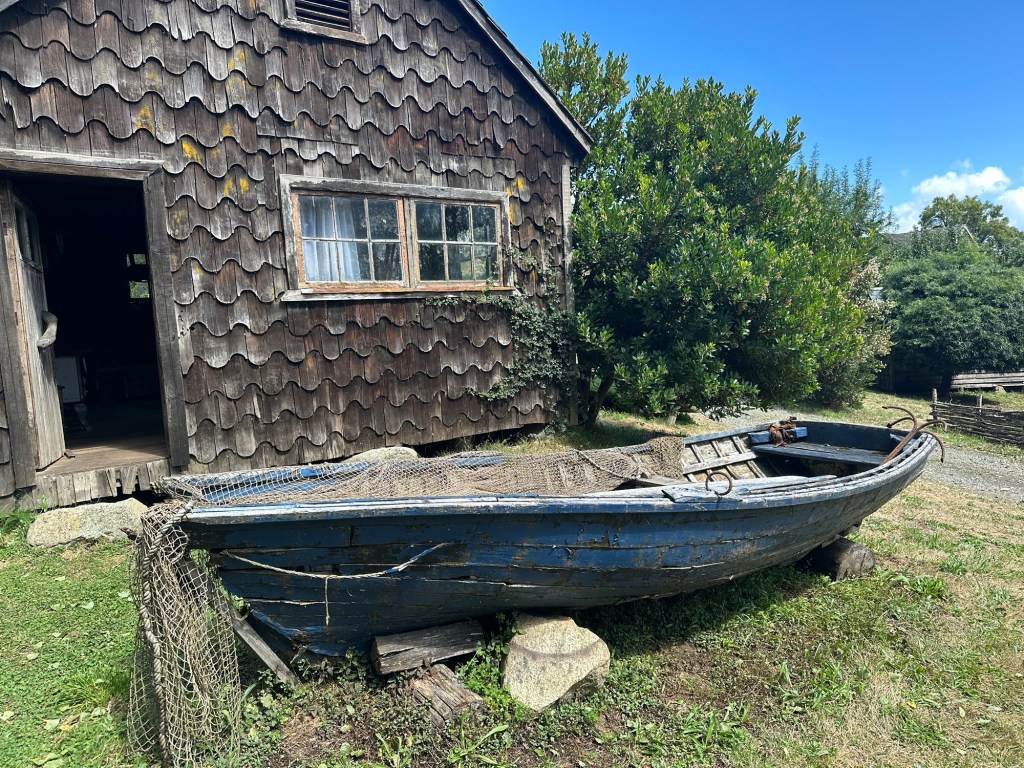
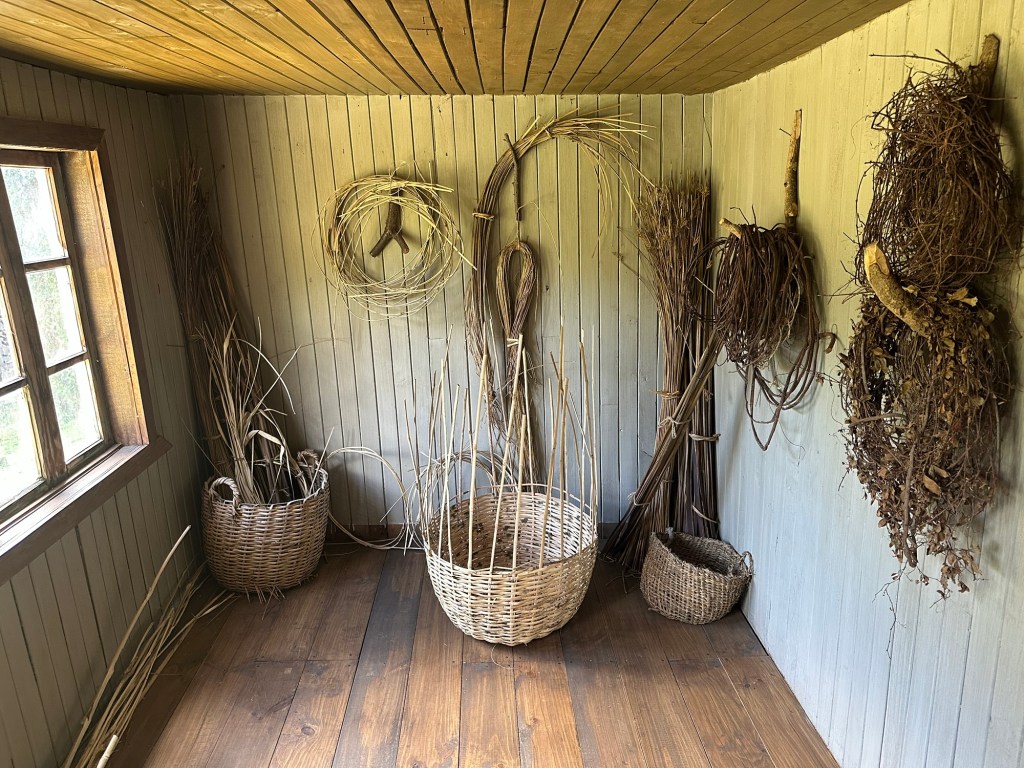
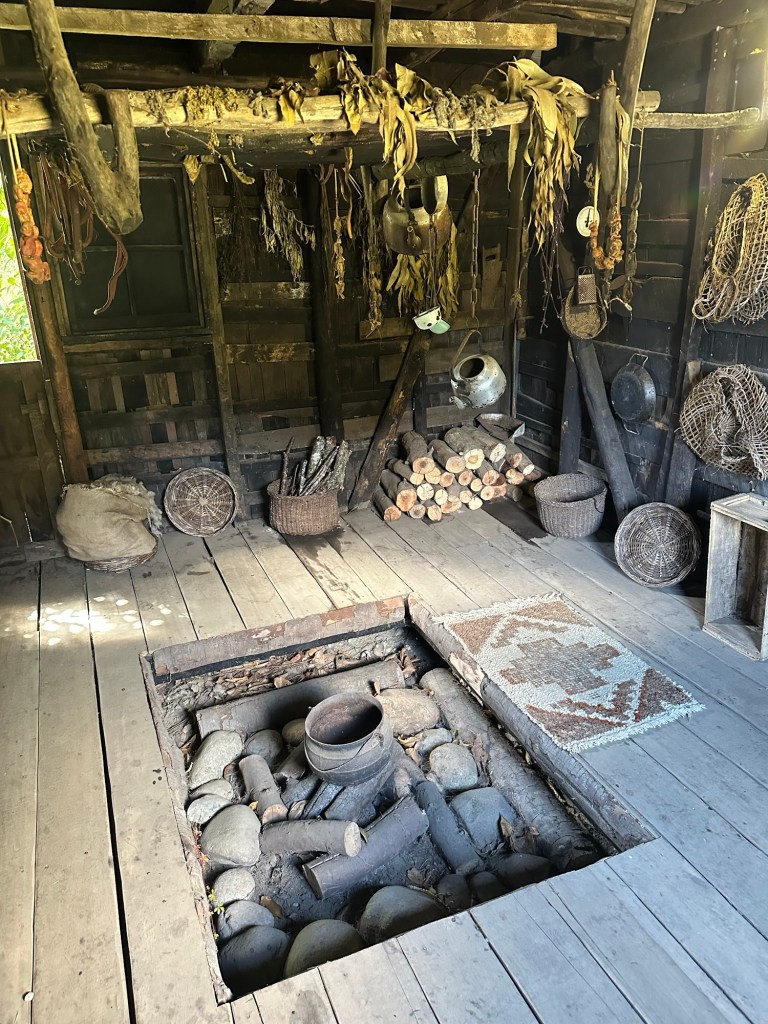
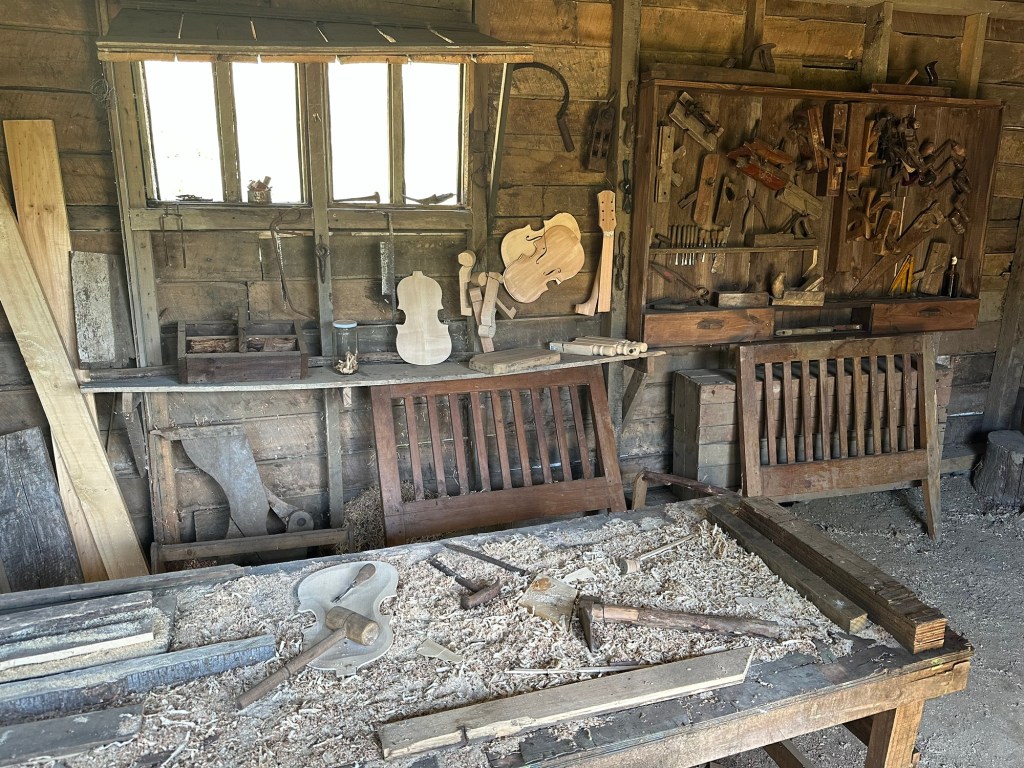
“The arrival of the Spanish in Chiloé gave rise to what is today a traditional woodworking technique. Due to the scarcity of nails and screws, a unique vernacular architecture was developed,
based mainly on the use of wooden dowels. For centuries, these highly accurate assembling and jointing systems were used for practically everything: doors, windows, shingles, furniture, kneading troughs, padlocks, musical instruments, even churches. In fact, UNESCO has declared 16 churches from that period to be WorldHeritage Sites.
Some carpenters specialized in the making of musical instruments using
the means available to them, becoming true “luthiers” of Chiloé’s rural world. It was not until the first half of the 20th century that nails and screws became increasingly available; however, the tradition of wood joinery remained and only fell into disuse with the arrival of plastic after the earthquake of 1960.”
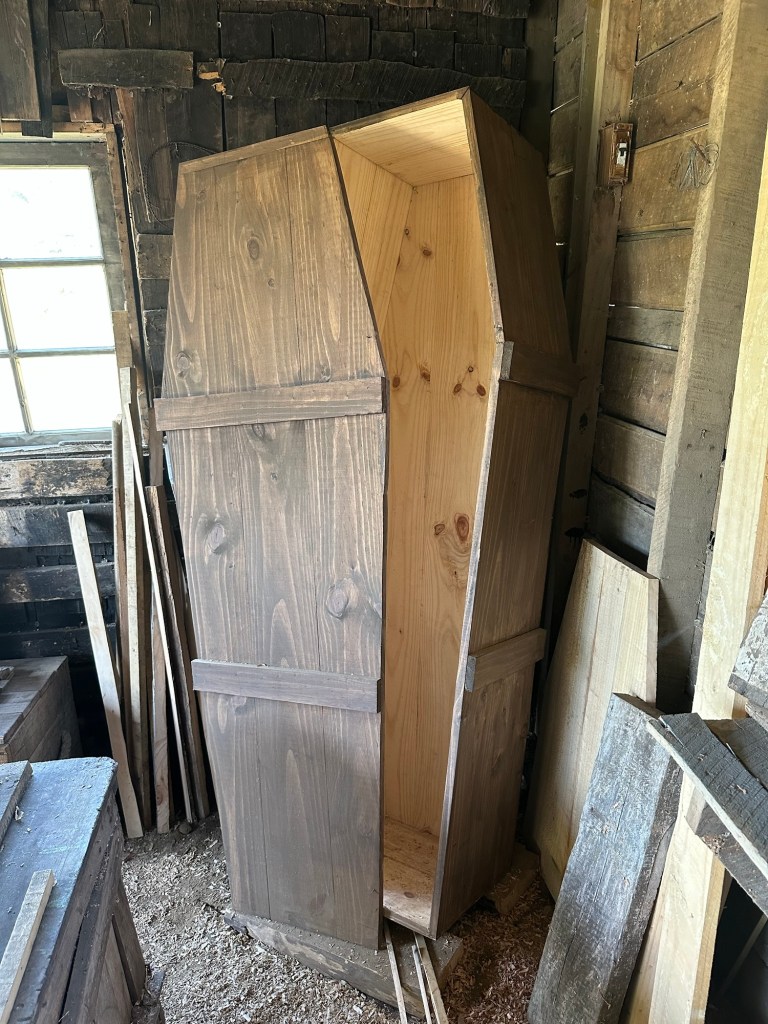
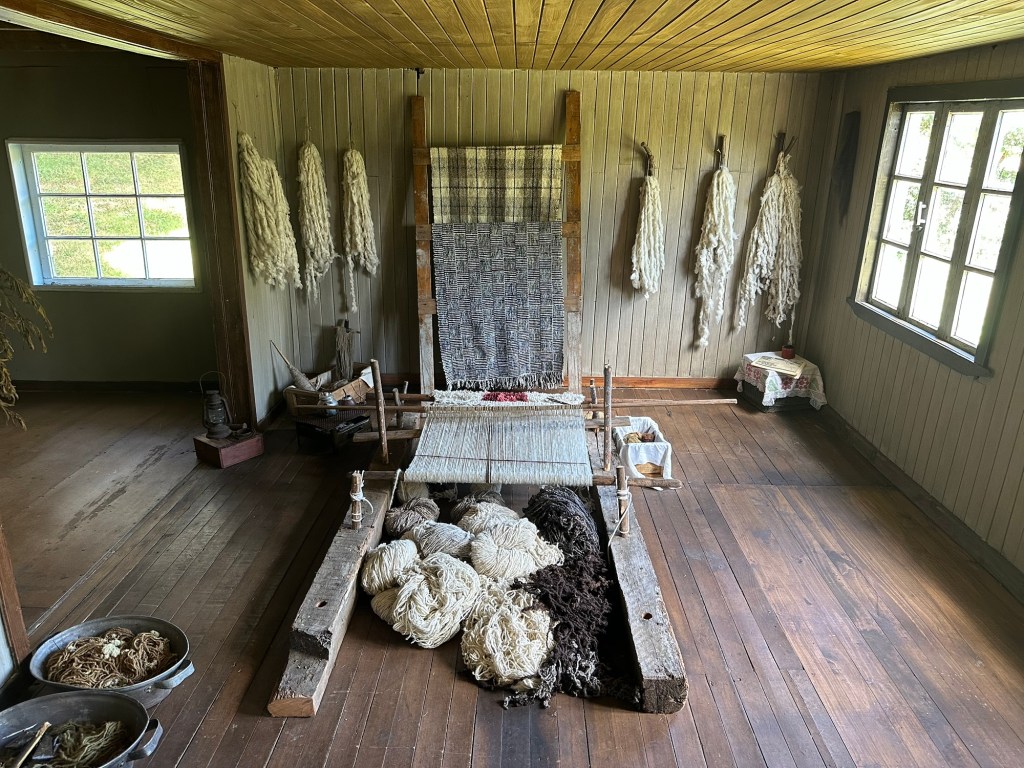
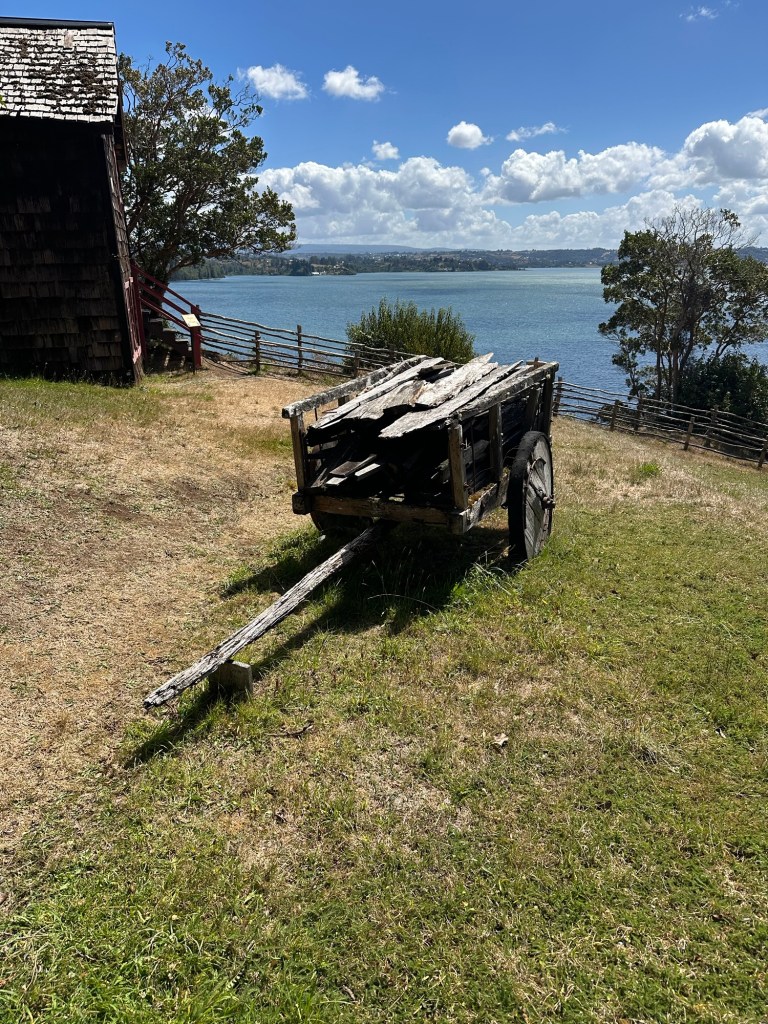
“In the archipelago’s villages, the artisanal production of objects was a necessity. Products from the mainland were expensive and obtaining them required traveling long distances.”
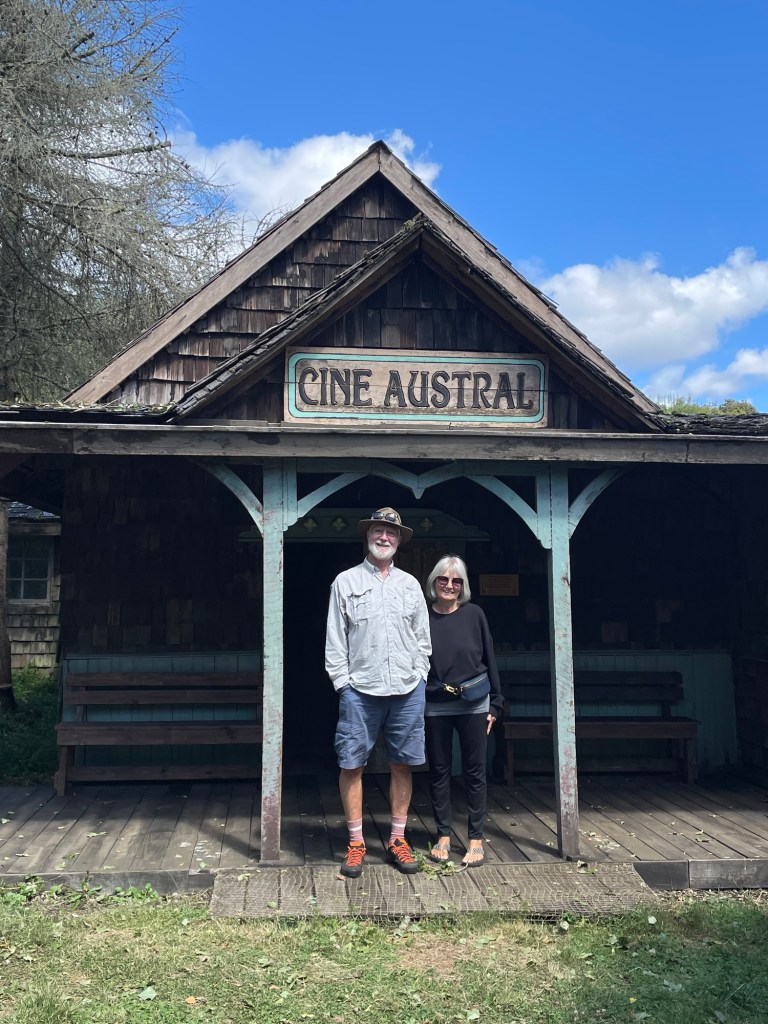
(Southern Cinema)
From the museum’s narratives:
CINEMA IN CHILOE
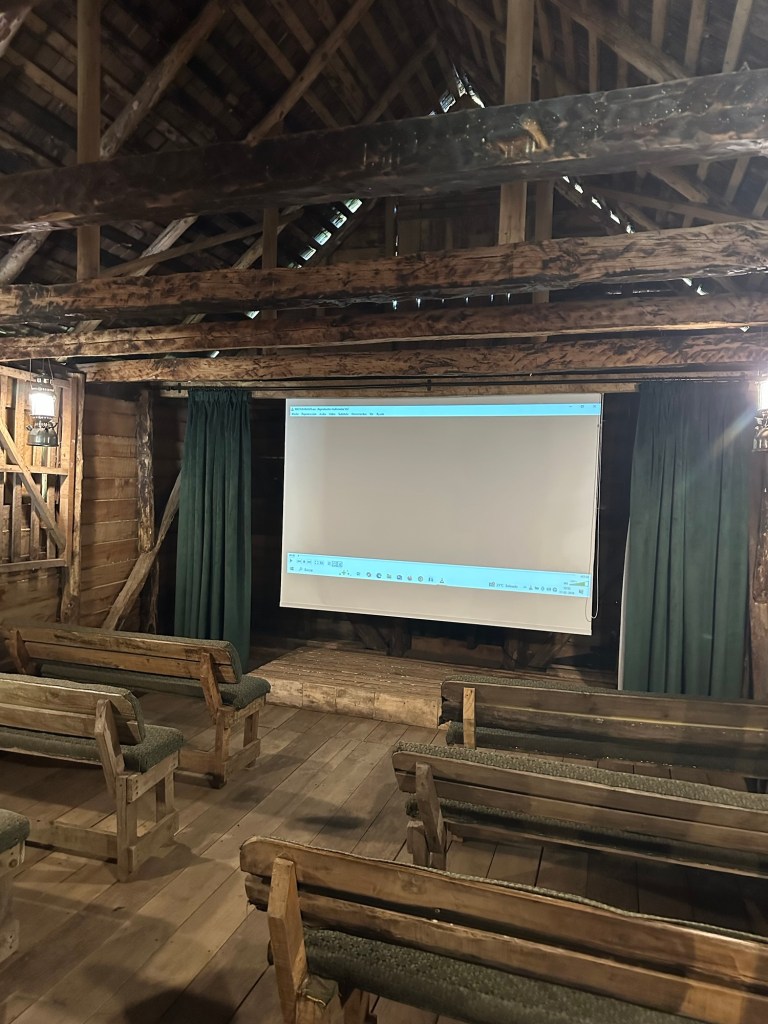
Chiloé experienced cinema starting in 1933, whether in adapted theaters or makeshift cinemas set up in barns and even stables.
The first movies were shown at the “La Bomba Theater” in Ancud. Initially, they were silent films accompanied by live music from a pianist until the arrival of the first sound projector. In a handful of rural villages, some cinema enthusiasts bought used projectors and adapted barns or stables to use them as improvised movie theaters. It was not uncommon for audiences to travel by horseback from one village to another to enjoy these screenings. After the 1960 earthquake, movie theaters began facing difficulties in obtaining new films, sometimes remaining closed for months due to a lack of programming. This situation also affected the improvised rural cinemas, which relied on this precarious distribution network and,
over time, ceased to operate.

 I Was Driving...
Leave a comment